Headless WordPress with Next.js: The Best of Both Worlds for Modern Web Apps
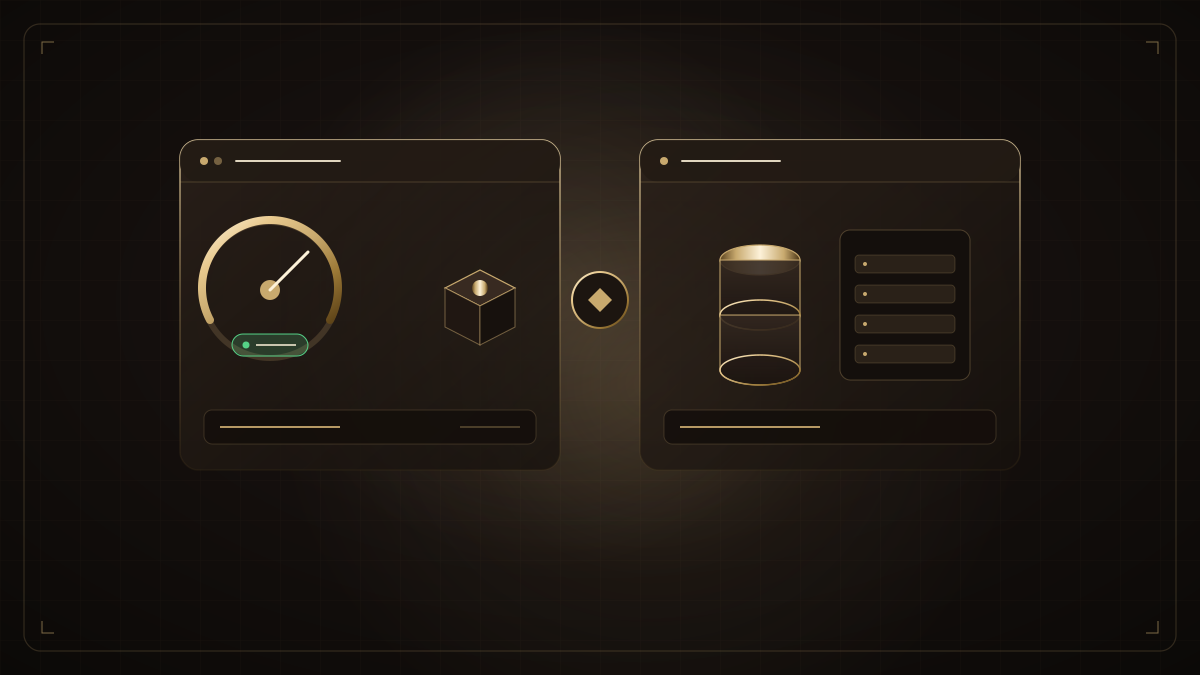
Headless architecture decouples your WordPress content editor from the frontend display layer, delivering sub-second static page loads and near-zero server attack surfaces.
1. Why Enterprise Brands Go Headless
Content creators keep their beloved WordPress Gutenberg dashboard, while developers build the frontend in Next.js, Framer Motion, and Tailwind CSS. The public website is statically pre-compiled, making frontend database crashes impossible.
2. Unhackable Frontend Security
Because the public visitor interacts only with statically pre-rendered HTML/React bundles, your WordPress backend is hidden behind a private subnet or authenticated VPN.
Harsh
AuthorLead Full-Stack & WordPress Engineer
Engineering sub-second Next.js web applications, custom WordPress performance tuning, and API lead automations.
Need architecture direction for your brand?
Connect directly with Vipin Wadhwa, Kapil Wadhwa, and our team to review your technical brief within 24 hours.
Related Insights in WordPress
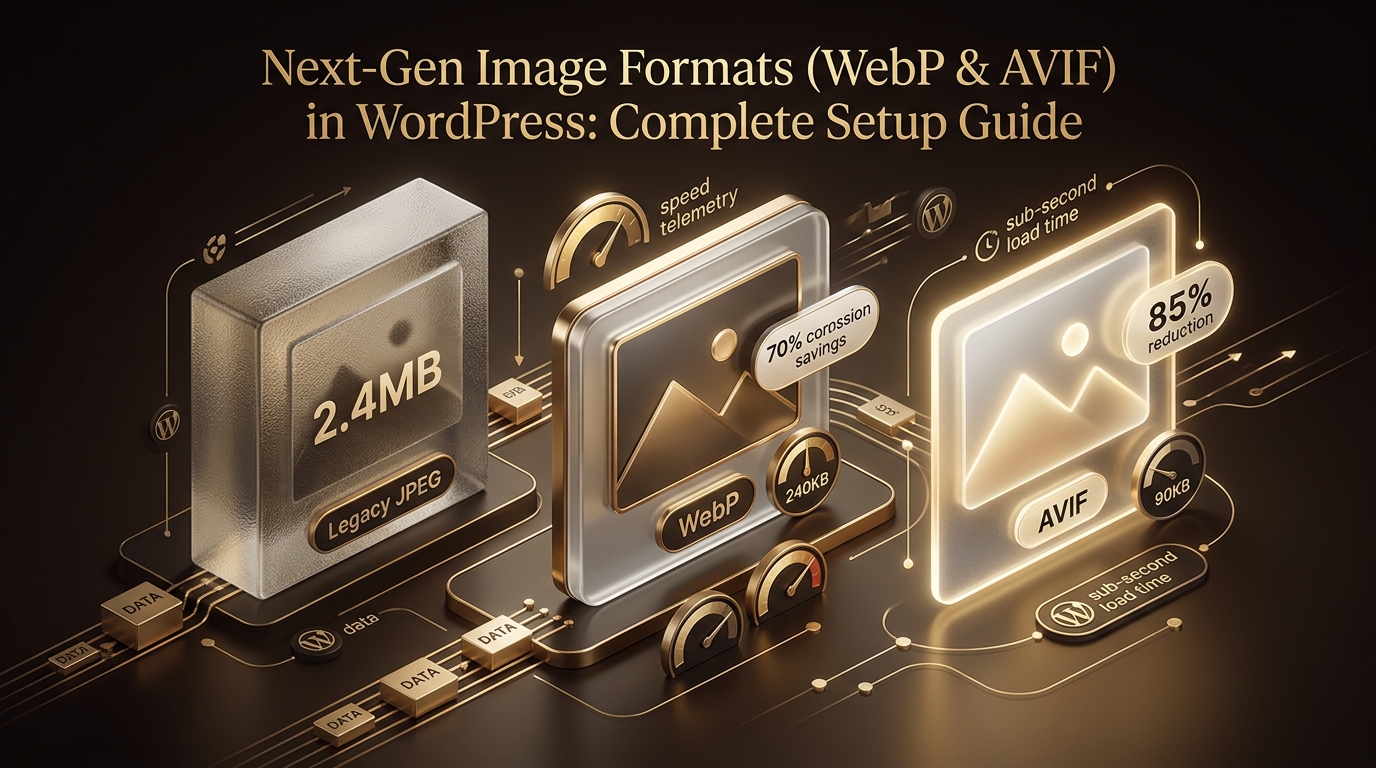
Next-Gen Image Formats (WebP & AVIF) in WordPress: Complete Setup Guide
Complete guide to automated image compression, WebP/AVIF conversions, and responsive srcset configuration in WordPress.
How to Disable Unused Scripts, Emojis, and Heartbeat in WordPress
Lightweight code snippets to remove native WordPress overhead and save 15+ HTTP requests per page load.
Custom WordPress Theme vs ThemeForest Template: Long-Term ROI Analysis
Detailed total cost of ownership (TCO) analysis comparing off-the-shelf templates with bespoke, clean-coded custom themes.