NVMe vs SATA SSD Storage: How Disk I/O Speeds Up Database Queries

When hundreds of users search your product catalog or log into customer portals simultaneously, your server disk throughput is the primary bottleneck.
1. SATA SSD vs NVMe PCIe Architecture
Legacy SATA III solid-state drives interface through traditional storage buses capped at roughly 550 MB/s and 100,000 IOPS. Non-Volatile Memory Express (NVMe) communicates directly with the CPU via PCIe lanes, delivering over 3,500–7,000 MB/s and up to 1,000,000 IOPS.
2. Real-World MySQL Query Acceleration
Complex SQL join queries, search filters, and checkout sessions pull temporary tables from disk memory. NVMe storage eliminates disk-queue wait times, ensuring fluid instant responses even during heavy database load.
Kapil Wadhwa
AuthorLead Market Research & Brand Intelligence Strategist
Specializing in commercial market research, consumer brand perception, digital intelligence, and enterprise competitive positioning.
Looking to instantly register a domain or deploy retail hosting?
Check real-time domain availability, instant INR pricing, and immediate cart checkout on our automated SuperSite infrastructure.
Need architecture direction for your brand?
Connect directly with Vipin Wadhwa, Kapil Wadhwa, and our team to review your technical brief within 24 hours.
Related Insights in Web Hosting
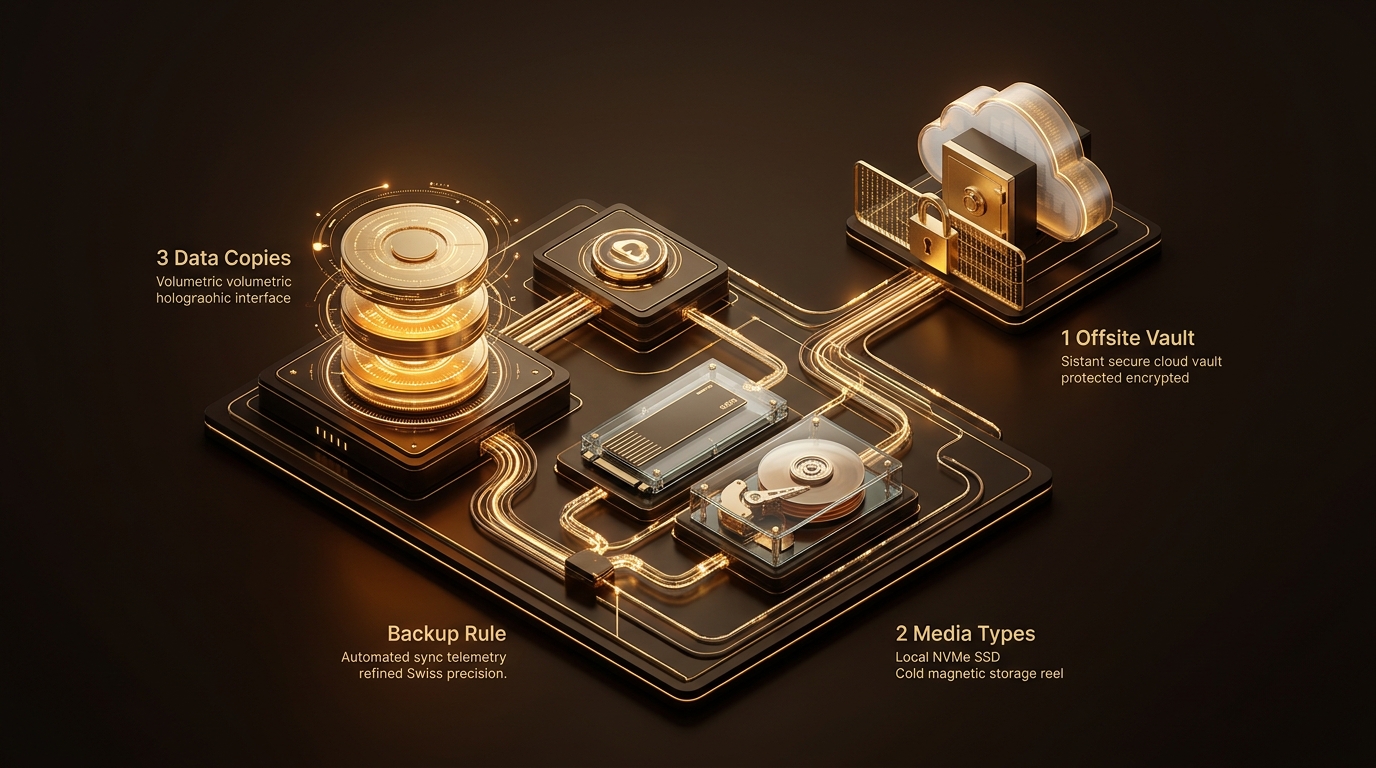
Website Disaster Recovery: The 3-2-1 Automated Backup Strategy Explained
Implement automated offsite backups, daily incremental snapshots, and verified restore protocols to bulletproof your business data.

The Real Cost of Web Hosting in India: Renewal Pricing, Add-ons & Hidden Fees
Transparent analysis of introductory promotional pricing versus actual renewal costs, backup surcharges, and email add-ons.

What is a CDN? How Cloudflare Boosts Speed and Protects Your Origin Server
How Edge Caching, Anycast DNS routing, and Web Application Firewalls accelerate delivery and shield origin server IPs.